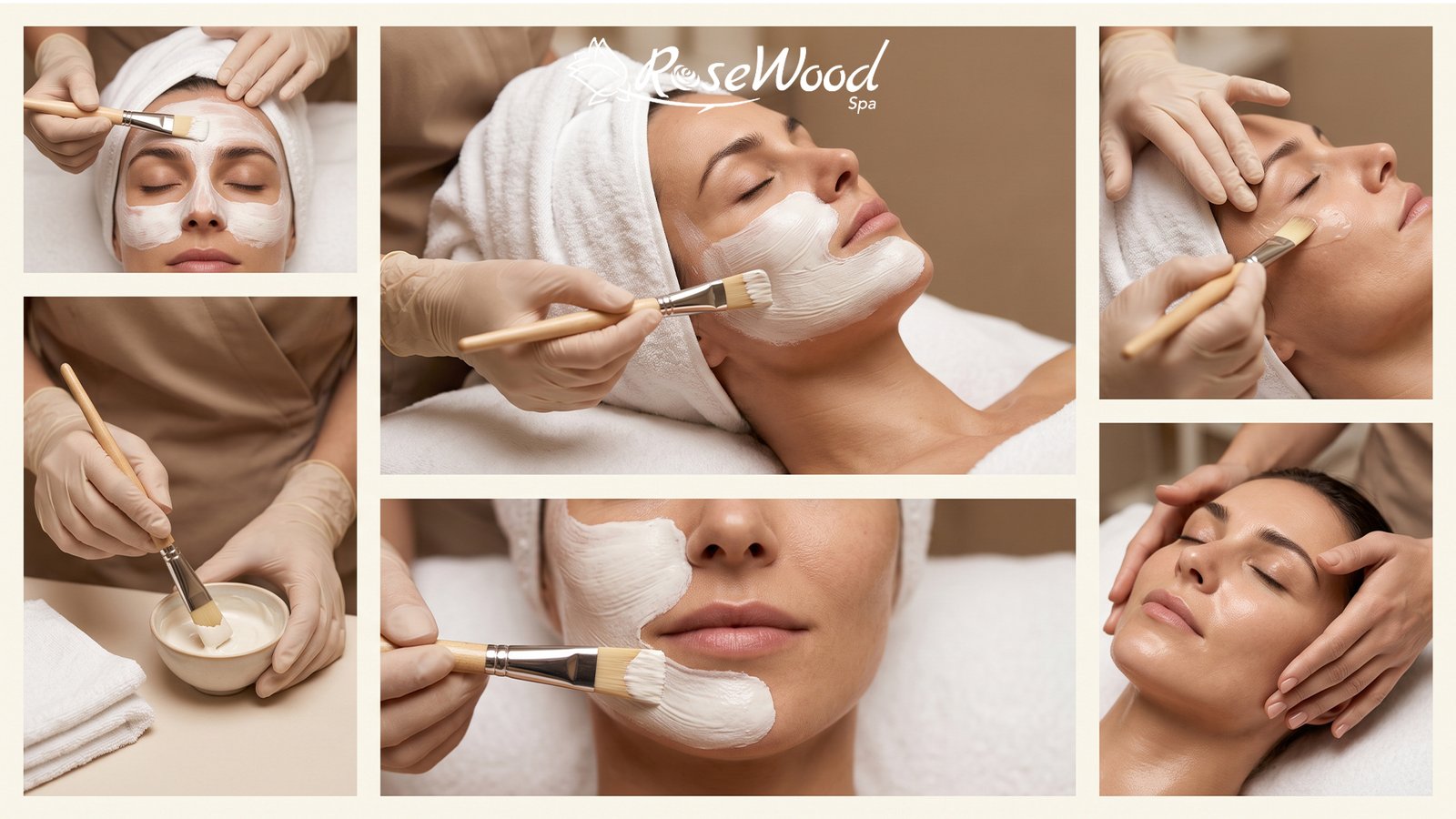
If you’ve ever asked what is a facial and whether it’s worth the time and cost, you’re asking a fair question. A facial is a professional skin care treatment, typically performed by a licensed esthetician, designed to cleanse, exfoliate, and nourish the skin more thoroughly than a daily at-home routine can. professional facial can cleanse and hydrate the skin more deeply than most people manage on their own, though it works best as a complement to not a replacement for daily skin care.
Beyond the relaxing experience, a facial treatment follows a structured process built around your skin’s specific needs, using targeted techniques and products chosen for your skin type and concerns.
A professional facial usually unfolds in a series of steps, each building on the last to leave your skin visibly refreshed.
Not every facial is the same different facial therapy techniques address different skin goals.
Classic/Hydrating Facial A gentle, all-purpose facial focused on deep cleansing and hydration a great starting point for first-timers or anyone wanting a relaxing reset.
Anti-Aging Facial Uses targeted serums, massage techniques, and sometimes tools like LED light to help minimize the appearance of fine lines and support skin elasticity.
Deep-Cleansing Facial Focused on clearing clogged pores and controlling excess oil, this treatment suits those prone to breakouts or congestion.
Brightening Facial Designed to even out skin tone and add radiance, often using vitamin C or other antioxidant-rich ingredients.
Microdermabrasion Facial A more intensive exfoliating treatment that uses a specialized tool to remove the outer layer of dead skin cells, often recommended for improving texture and tone over a series of sessions.
Your daily skin care routine and a professional facial treatment work together rather than replacing one another. The American Academy of Dermatology recommends a consistent at-home routine of cleansing, moisturizing, and daily sun protection as the foundation of healthy skin.[2] A facial spa visit builds on that foundation with deeper exfoliation, professional-grade products, and techniques you can’t easily replicate at home giving your skin an added boost rather than substituting for daily care.
Facials suit a wide range of skin types and goals, though the specific treatment should match your skin’s needs:
If you have specific skin concerns or conditions, it’s worth mentioning them to your esthetician beforehand so the treatment can be adjusted safely to your skin.
A typical facial session lasts between 45 and 75 minutes, depending on the treatment. You’ll usually lie back in a comfortable treatment chair or bed while your esthetician works through each step, often accompanied by calming music and a pleasant, low-lit setting. It’s completely normal to feel relaxed enough to doze off during the massage and mask stages.
Afterward, your skin may look slightly flushed this is a normal response to increased circulation and exfoliation, and it typically settles within a few hours. Most people leave with visibly smoother, more radiant skin and a noticeably relaxed feeling.
Now that you know exactly what a facial treatment involves, the next step is experiencing it for yourself. At Rosewood Spa Dubai, every facial is tailored to your skin type and goals, combining professional techniques with premium products and the calm, attentive care that defines the Rosewood experience.
Book Your Facial at Rosewood Spa Dubai
What is a facial, exactly?
A facial is a professional skin care treatment that typically includes cleansing, exfoliation, extractions if needed, massage, a mask, and moisturizer all designed to refresh and improve the health of your skin.
How often should I get a facial?
Most people benefit from a facial every four to six weeks, which roughly aligns with the skin’s natural renewal cycle, though this can vary based on your skin type and goals.
Does a facial hurt?
A facial shouldn’t be painful. Some steps, like extractions or certain exfoliation techniques, may feel slightly uncomfortable, but the overall experience is designed to be relaxing.
Can I wear makeup after a facial?
It’s best to avoid makeup for a few hours after a facial to let your skin breathe and absorb the products applied during the treatment.
Is a facial the same as a regular skin care routine?
No a facial treatment complements your daily skin care rather than replacing it. Daily cleansing, moisturizing, and sun protection remain essential between facial spa visits.
What should I avoid before and after a facial?
Avoid strong exfoliants, retinol, or waxing a few days before your facial, and skip sun exposure and heavy makeup immediately after to let your skin recover and absorb the treatment fully.
Are Facials Worth It? 6 Benefits and What to Expect.
Microdermabrasion: What It Is, Benefits, Results & Side Effects.
A Dermatologist’s Guide to Skincare.